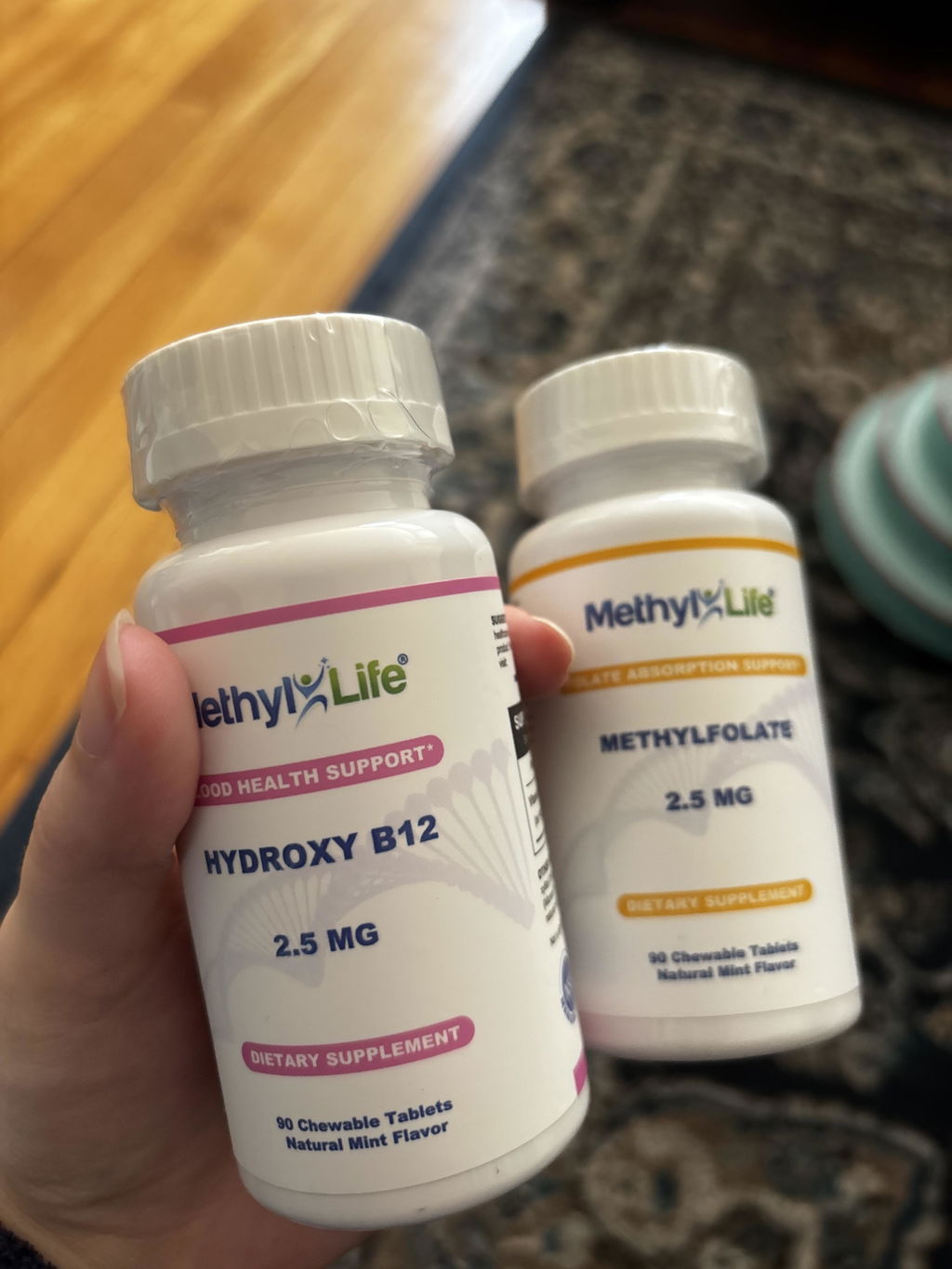





Parents who have read about the benefits of methylfolate often want to know if it is safe for kids. While further research is pending, here’s what we know.
In 2020, the European Food Safety Authority (EFSA) reviewed the use of calcium L-methylfolate in infant formulas and baby food. It concluded that calcium L-methylfolate is safe and non-toxic. The EFSA review also confirmed that calcium L-methylfolate was bioavailable (easily absorbed) and a suitable folate source for infants and young children.1
More recently, a 2026 preprint reported a 12-month follow-up of a randomized infant-formula trial comparing 5-MTHF-Ca with folic acid. At 12 months, weight, length and head circumference were comparable between the groups. The number of adverse events and routine hematological results also did not differ. These preliminary findings provide further support for the safety and suitability of 5-MTHF-Ca in infant formula at the studied amount. However, the study has not yet been peer reviewed and does not establish the safety of higher-dose methylfolate supplements in children.2
Folate deficiency is associated with an increased risk for depression in children, adolescents, and adults. Those low in folate may not respond adequately to antidepressant treatment.3
A 2025 multicenter study of adolescents with major depressive disorder found that response to SSRI or SNRI treatment was approximately four times more common among participants with higher rather than low serum folate levels (28.5% versus 6.7%). However, folate levels were not associated with baseline depression severity.4
These findings concern folate status and do not establish that methylfolate supplements treat depression in children. In a 2022 retrospective study of 412 children and adolescents with depressive disorders, neither adjunctive L-methylfolate use nor dose was significantly associated with treatment response, regardless of MTHFR C677T genotype.5 Controlled pediatric trials are still needed.
A 2019 retrospective chart review included 190 patients aged 7–20 years who had neuropsychiatric conditions, primarily anxiety and mood disorders. Of these, 146 received L-methylfolate calcium - 139 at 15 mg/day and seven at 7.5 mg/day - while 44 were prescribed L-methylfolate but did not take it. Many patients were also receiving other psychiatric medications, including antidepressants. Adverse events were documented in 10% of the L-methylfolate group, compared with 25% of the untreated comparison group. The most frequently reported events among those taking L-methylfolate were impaired sleep in five patients and increased anxiety in three.6 The authors described L-methylfolate as well tolerated, and 22.5% of treated patients had a positive subjective treatment experience. However, because the study was retrospective and non-randomized, it could not establish that L-methylfolate caused clinical improvement or reduced adverse events. Its findings also apply to medically supervised psychiatric treatment and should not be used to determine general supplement doses for children.
A larger 2022 retrospective study examined 412 children and adolescents with depressive disorders. L-methylfolate use and dose were not significantly associated with treatment response, regardless of MTHFR C677T genotype.7 Therefore, although the available evidence suggests that L-methylfolate may be tolerated by many young patients under medical supervision, its effectiveness for pediatric mood disorders remains uncertain.