




What Is Nutrigenomics?
Nutrigenomics, also called nutritional genomics, examines how nutrients and bioactive compounds in food interact with the genome and influence gene expression and metabolism.1
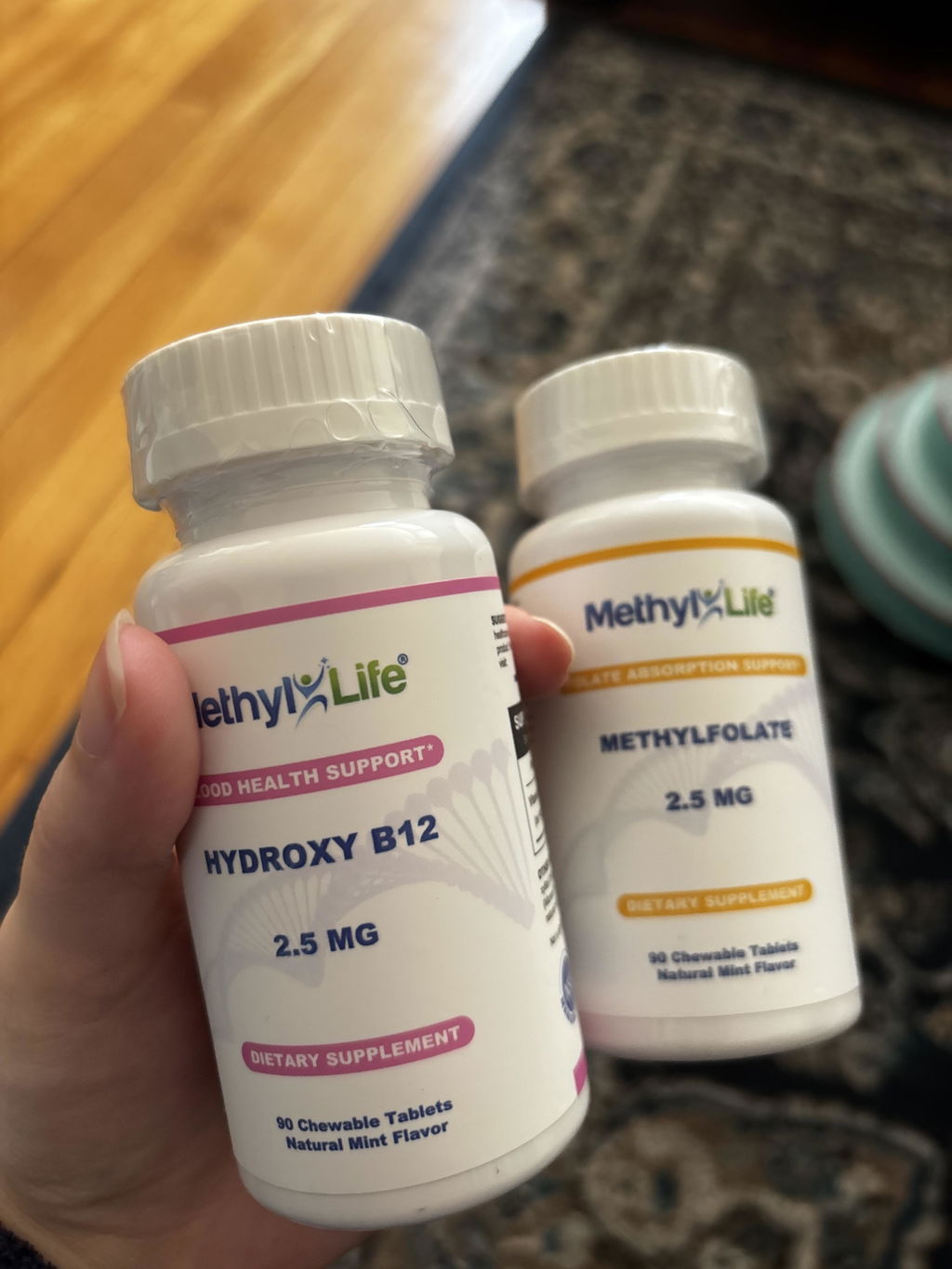
In simple terms, it explores how what we eat may affect the activity of certain genes without changing the underlying DNA sequence. For example, carbohydrates and fatty acids can activate nutrient-sensing proteins that regulate genes involved in glucose and fat metabolism.2 Folate, choline and vitamins B2, B6 and B12 participate in one-carbon metabolism, which helps supply methyl groups used for DNA methylation - an epigenetic mechanism involved in regulating gene activity.3 MTHFR provides a relevant example of a gene–nutrient interaction: the common C677T variant is associated with differences in blood folate concentrations, although diet and other biological factors also influence folate status.4 More precisely, nutrigenetics examines how inherited variants affect responses to nutrients, whereas nutrigenomics focuses on how nutrition affects gene activity; together, these disciplines contribute to research on personalized nutrition.