









Please figure out some way to fix the horrible odor/taste — I really wanted to like this product.

Thank you for sharing your honest feedback. We’re sorry to hear that the odour and taste made it difficult for you to continue with the product.
NACET naturally contains sulfur-based compounds derived from cysteine, which are known for having a strong smell and distinct taste. While this can be unpleasant for some, it is a normal characteristic of the ingredient and reflects its natural integrity and potency rather than any issue with quality or freshness.
We do share this information on our website to help set expectations, but we appreciate you mentioning it here as well, as it may help other customers know what to expect.
Some customers find it helpful to take the capsules quickly with water or alongside food to make the experience easier. If you have any questions or would like additional tips, we’re always happy to help.
Best of health to you,
The Methyl-Life® Team
Excellent products

Thank you for your feedback! We’re glad to hear you’re enjoying the products.
Best of health to you,
The Methyl-Life® Team
I recommend this supplement to everyone, my body functions smoother since taking Magnesium Complete.

Thank you for your wonderful feedback! We’re glad to hear Magnesium Complete has been supportive for you and that you’re noticing a positive difference.
Best of health to you,
The Methyl-Life® Team
Sleeping so much bettersinceistartedtaking this.
Thank you for sharing your experience! We’re glad to hear you’ve been sleeping better since starting the product.
Best of health to you,
The Methyl-Life® Team
Gosh, methylfolate has saved my family. This is no joke. It gave us peace in our heads (essentially joy back into our lives - more patience as well since you are calmer), healthier lives with more immunity and a better functioning chemical processing body functioning on all cylinders now. It helps with moods - the peace I was talking about. If you’re searching for health, this is one key component that’s for sure. Note it will take awhile to notice a difference, but you will look back and see it.

Thank you so much for sharing your experience and kind words. We’re truly glad to hear that the product has been a positive part of your family’s wellness journey, and we appreciate you taking the time to leave such thoughtful feedback.
Best of health to you,
The Methyl-Life® Team
So much more effective that standard mag supplements
Thank you for your feedback! We’re glad to hear you’ve found this to be more effective than standard magnesium supplements.
Best of health to you,
The Methyl-Life® Team
A
L-Threonate Magnesium: 120 grams Pure Magtein® Very good helps me sleep and is helping my memory

Thank you for sharing your experience! We’re glad to hear the product has been supportive for you and that you’ve noticed positive changes.
Best of health to you,
The Methyl-Life® Team
All Methyl-Life Supplements have been far superior to any other supplements I’ve taken for the last 10 years. I fully trust Methyl-Life for all my supplements..

Thank you so much for your wonderful feedback! We’re truly honored by your trust and thrilled to hear that our supplements have consistently supported you over the years.
Best of health to you,
The Methyl-Life® Team
Wonderful results. I seem to be almost normal. So much energy.
Thank you for your kind feedback! We’re thrilled to hear you’re experiencing such great results and feeling more energized.
Best of health to you,
The Methyl-Life® Team
More energy !
That’s great to hear! We’re so happy our product has helped boost your energy; thank you for sharing your experience with us.
Best of health to you,
The Methyl-Life® Team
Very disappointed still have not received my order. Customer service has been disappointing as well. I will rate if I ever receive my order.

Thank you for your feedback, and we’re very sorry to hear this.
We understand how frustrating it is not to receive your order yet, especially when you’ve also had a poor experience with customer service. That’s not the standard we aim to provide, and we agree this needs to be addressed properly.
Please contact our support team with your order details so we can prioritise this and work toward a resolution for you as quickly as possible.
We appreciate your patience, and we hope we can still resolve this for you.
Best of health to you
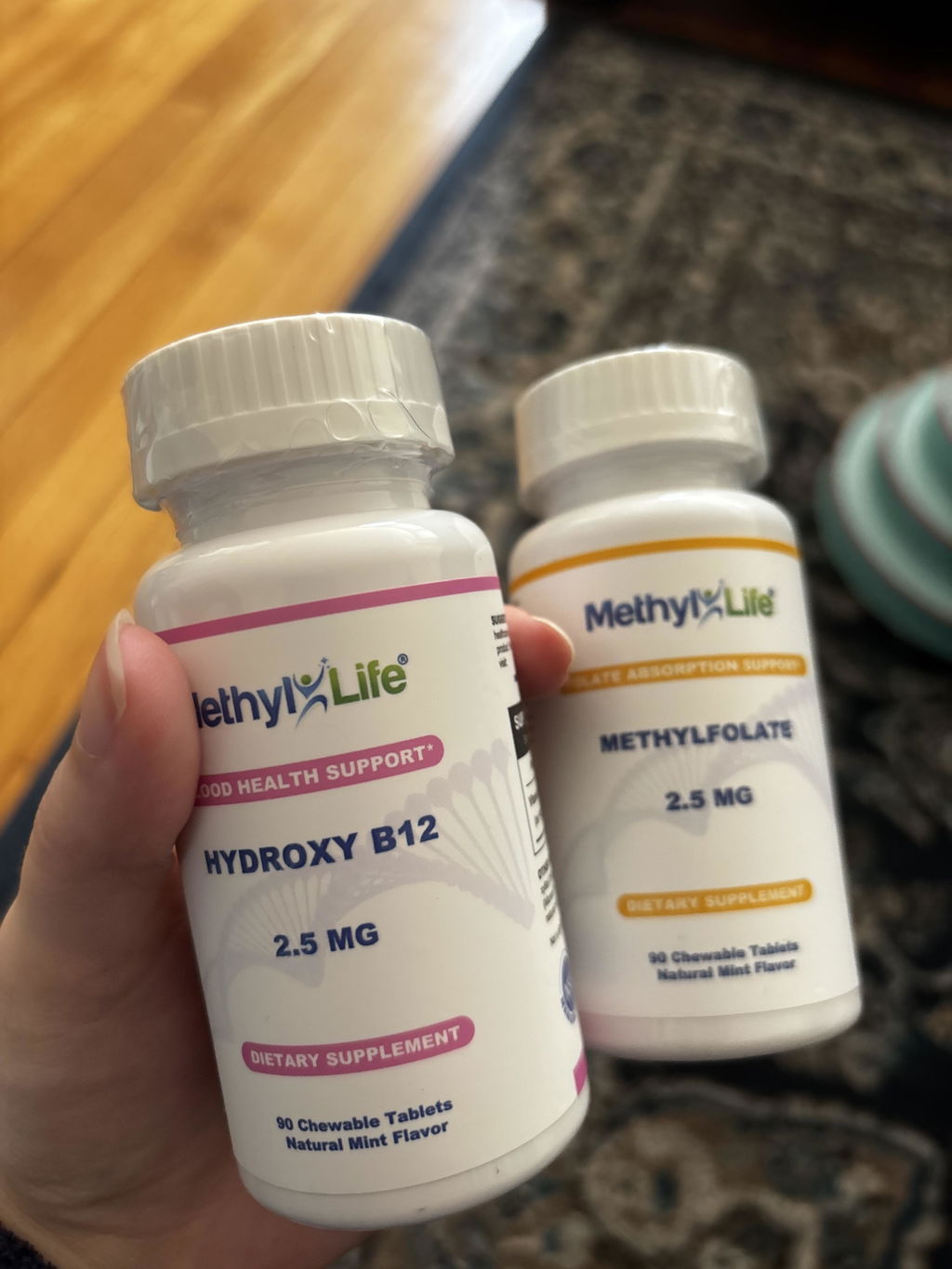
This B12 has proven itself for my daughters through blood tests. They also take methylfolate 15 mg, and other supplements, but it’s the B12 in conjunction with methylfolate that works magic. The combination has been life altering for my teens, both of whom have double MTHFR mutations, and one who also has a corrupted MTHFR enzyme. Jamie's supplements are top notch. We’ve tried other brands to compare and Methyl-Life is the winner every time. Methyl Life was the first source to state the importance of starting B12 BEFORE starting methylfolate, and now I see that info in medical articles wherever the topic comes up. We followed the timeline set out on the Methyl-Life site to slowly introduce each supplement and look for side effects, etc., and it worked like a charm. I cannot state enough the difference I see in my teens!! My single complaint is the xylitol ingredient - I’m always afraid I’ll drop a pill and one of our dogs will eat it. If the chewables could be made without xylitol, that would be even better. Regardless, we will continue using them forever. Blood tests and the changes we see in our daughters are proof to us that these are high quality supplements and I highly recommend them.

Thank you so much for sharing your experience! We’re thrilled to hear that our B12 and 15 mg methylfolate combination has made such a meaningful difference for your daughters. It’s wonderful to know that following the timeline and guidance from our site helped everything work smoothly — and that you’ve seen the benefits confirmed in their blood tests.
We truly appreciate your thoughtful feedback about the xylitol ingredient and will take that into consideration as we continue refining our products.
Your story is inspiring, and we’re honored to be part of your family’s wellness journey.
Best of health to you
The Methyl-Life® Team
This stuff has really changed my life!

Thank you for sharing your experience! We’re thrilled to hear that our product has made such a positive impact on your life. Stories like yours inspire us to keep creating high-quality supplements that support wellness.
Best of health to you
The Methyl-Life® Team
I’m not sure about the product yet, however, I am greatly disappointed that I had to wait 11 days for the product. As expensive as it is, I find that unacceptable. Also, I contacted customer service on day seven and was told I would have it immediately. I think you should prioritize the customer before cost savings on shipping.

Thank you for your feedback, and we’re sorry for the disappointing experience.
We understand your frustration with the 11-day delivery time, especially given the cost of the product and the expectation set around prompt shipping. We also apologise that the update you received from customer service on day seven did not match what actually happened; this kind of miscommunication is not the standard we aim for.
We agree that customer experience should always come first, and we will be reviewing both the shipping performance and the service response you received so this can be improved going forward.
We appreciate you taking the time to share this with us.
Best of health to you
This magnesium is the most gentle on my stomach I have ever taken (and I have gastritis). It has been super helpful for digestion.
Thank you for sharing your experience! We’re so glad to hear that our magnesium has been gentle on your stomach and supportive for your digestion, especially with gastritis. It’s wonderful to know it’s making a positive difference for you!
Best of health to you
The Methyl-Life® Team
I take this as a prescribed supplement from a doctor. I've been ordering it online from MethylPro for years. I have to be honest in saying I am not a fan of chewble pills. I want the medicing to get into my stomach and into my system. Not get stuck in my teeth.
Thank you for sharing your feedback. We understand that chewables aren’t everyone’s preference, and it’s important that your supplement works in a way that’s comfortable for you. We appreciate your honesty and will keep this in mind as we consider options for different formats in the future.
Warmly,
The Methyl-Life® Team
I’ve struggled with unexplained brain fog and high fatigue for years. After doing my genetic testing and discovering a bunch of gene mutations including the two different MTHFR mutations, I wanted to try something different. While I haven’t been on these for long my energy levels are already noticeably better and my brain fog is slowly getting better as well. The supplements taste so much better than most B vitamins and their information is easy to start deciding your dosage.
"I could only take one of the multi vitamins. But love all the other ones and have not had any reaction to the others."
Thank you for your honest feedback! We're glad to hear that you’ve had a good experience with our other products, even if the multivitamin didn’t fully agree with you. Your experience helps us continue improving and supporting our customers' unique needs.
Best of health to you.
"I am still trying to calm my mind down for sleep since insomnia is kicking my butt. Just working out a good timing for taking this supplement yet it has been helping me thus far."

Thank you so much for sharing your experience! We're really glad to hear the supplement has been helping, even as you work out the best timing for it. Insomnia can be incredibly challenging, and you're not alone, many of our customers are on a similar journey. If you ever need personalized suggestions or support, our Customer Care team is here and happy to help!
Wishing you continued progress and restful nights ahead
M
L-Threonate Magnesium: 120 grams Pure Magtein® "I like this magnesium product better than the sucrosomial version. I find that this one taken regularly keeps the leg
cramps away while the other seems to overpower me and cause leg cramping. Measuring out the correct amount is a bit problematic but it's fixable with a line drawn on the scoop. I mix it with a prebiotic powder before adding it to the liquid choice of the day. I've even sprinkled it on cereal. I've been using it for a couple years and I find I don't like to be without it in my daily regimen."
Mary Ann we truly appreciate your support; thank you so much for taking the time to review our products and share your experience with others who may need it! Best of health to you!
"I ordered this bundle because the methylated multi was out of stock I loved it so much I am still using even though my methylated multi back"

Sandra; what great news that you are enjoying this bundle so much! Thank you for sharing this wonderful review with us! We wish you the very best of health!
R
L-Threonate Magnesium: 120 grams Pure Magtein® "This really seems to be helping to lessen the brain fog I have been dealing with from Long Covid. I have felt more clear minded over time. It was not an immediate improvement but a gradual one. So my recommendation is for people to really give this time to work."
How exciting to hear you are feeling improvements! We love this product so much for brain health; thank you for sharing a bit of your story with us so that others may benefit! Best of health to you!
"Execellent"
Thank you! We’re so happy to hear that.
Best of Health to you.
The foundation of my supplement stack. Impossible to replace with a substitute.

Thank you so much for your wonderful feedback! We’re honored to be a trusted part of your supplement routine and truly appreciate your continued support of Methyl-Life®. 💙
Best of health to you,
The Methyl-Life® Team
Quality material. A reliable source. Thank you.

Thank you so much for your kind words! We’re glad you value the quality of our products and trust Methyl-Life® as a reliable source. We truly appreciate your support! 💙
Best of health to you,
The Methyl-Life® Team