




Are Multivitamins Good for MTHFR?
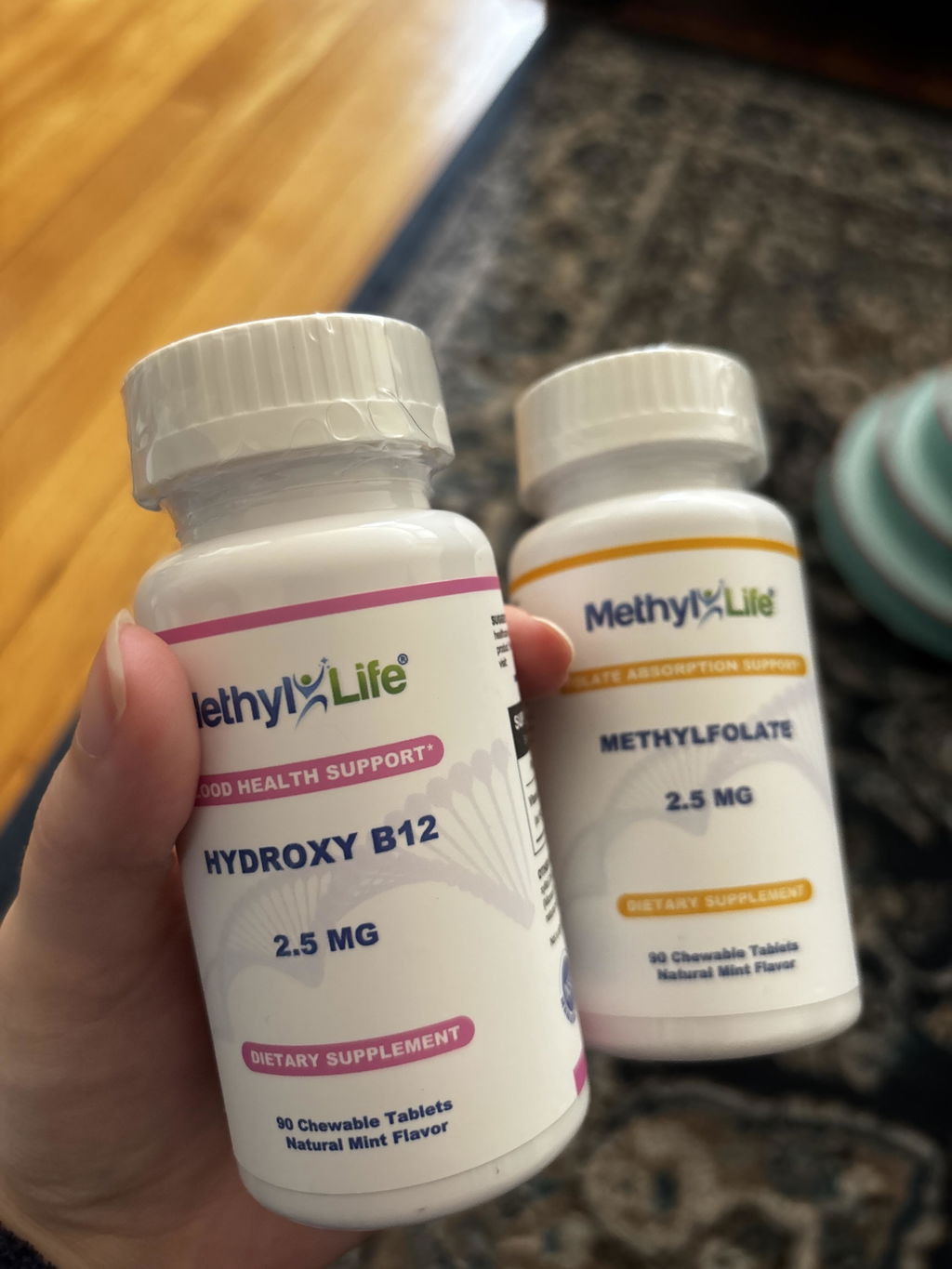
Multivitamins are often recommended for people with MTHFR variants who are unable to properly metabolize folic acid and dietary folate. However, it’s important to choose a product that provides these nutrients in a form that can bypass the MTHFR mutation, and also in high enough dosages to restore and maintain healthy levels.
Many multivitamin supplements are designed to provide a wide range of vitamins and minerals in amounts that do not exceed the Recommended Dietary Intake (RDI) to support nutritional gaps in the diet, rather than restore deficiency.1
For those who are deficient in certain nutrients and/or need ongoing support for methylation, supplements that provide therapeutic dosages of specific nutrients may be more effective.
Supplementing with methyl donor nutrients is suggested as a therapeutic strategy for improving cognition and neurodevelopment in those prone to deficiency.2
Genetic variations in the MTHFR gene can lead to impaired function of the MTHFR enzyme, which is required for numerous methylation processes in the body, including converting folic acid into folate and metabolizing homocysteine. As a result, people with MTHFR mutations are prone to low levels of folate and elevated homocysteine, which can then lead to health concerns such as cardiovascular disease, mood disorders, cognitive dysfunctions, and neural tube defects in pregnancy.3
Folate plays a critical role in nucleotide synthesis, amino acid metabolism, and methylation reactions.4 Supplementation during pregnancy is strongly recommended for all women as it is required for fetal development and maternal health, and has been shown to prevent fetal neural tube defects (NTDs).
Folic acid is the cheap, synthetic form of folate most commonly used in multivitamins and pregnancy supplements. However, folic acid requires activation via the MTHFR enzyme.
Research has also suggested that unmetabolized folic acid may be linked to serious health concerns including impaired DNA methylation and increased risk of disease.5 Excess folic acid may also mask B12 deficiency, which can then lead to severe nervous system effects.6
In pregnancy, excess folic acid is linked to higher risk of gestational diabetes mellitus (GDM), hypertension, low birth weight, miscarriage, and preterm birth.7
In both the US and Canada, it is reported that women of childbearing age often exceed the recommended folic acid intake of 1 mg daily because of mandatory fortification combined with supplemental use.8